When I think about the barriers, one of the barriers is not the technology, it’s the trust.
Situation Context
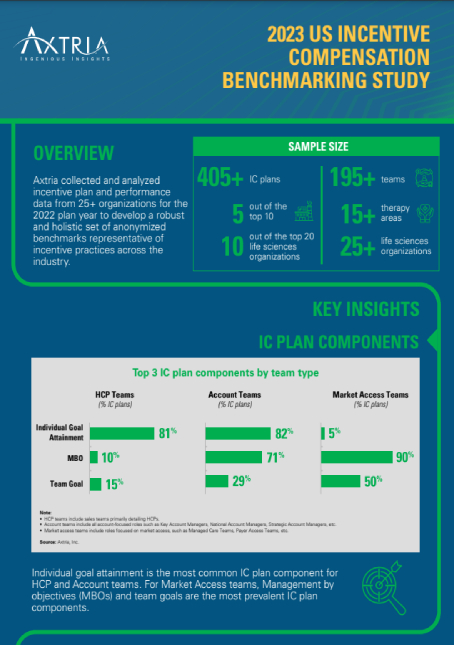
An Axtria benchmarking study published in the first quarter of 2026 found that every respondent expects to fold artificial intelligence (AI) into their forecasting model within three years. For forecasting teams, whether to use AI is settled. Where it can be trusted is not.
Four senior forecasting and commercial analytics leaders from large pharmaceutical companies took up that question at Ignite 2026. They spent the session on where AI earns its place in a forecast, where it quietly gets things wrong, and what happens to the forecaster’s job once the machine is in the room.
“It took me only a week to get over that ego.”
- Panelist, Senior Forecasting Leader
What This Report Will Show You
- Why the biggest barrier to AI in forecasting has little to do with the technology
- What happens to a week of market-sizing work when it takes an hour, and who adjusts hardest
- The kind of launch where AI keeps driving past the stop sign
- A two-tier way to decide how much oversight an AI-built assumption needs
- The one benefit every panelist could name today, and the one none of them could
“Don’t just run just because it’s AI. It’s a lot more nuanced than that.”
- Panelist, Commercial Analytics Leader
Built For
- Forecasting leaders and their teams
- Commercial analytics leaders
- Brand and launch planning teams that depend on the forecast
- Executives evaluating AI’s role in forecasting
FAQs